
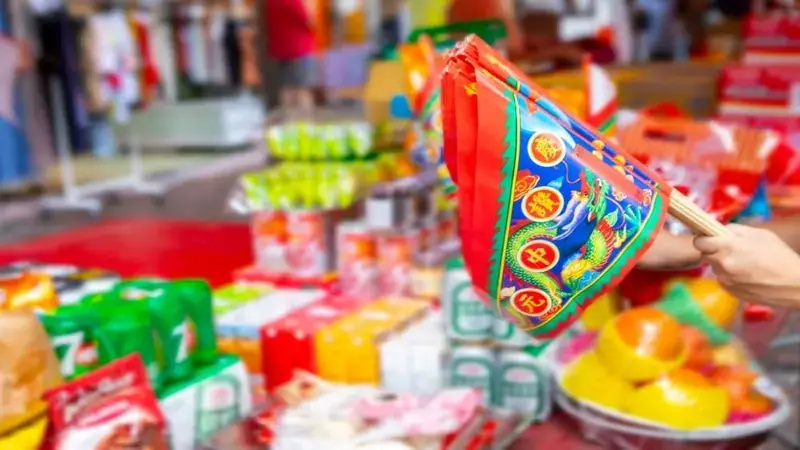
The 15th day of the 7th lunar month is traditionally known as the Zhongyuan Festival, also referred to as the Ullambana Festival. Every year, households actively prepare for ancestral offerings and ceremonies. The most representative custom of the Ghost Festival is the Pudu ceremony—offering food and prayers to wandering souls. What exactly does this ceremony represent? And how is it connected to the origin of the Zhongyuan Festival?
This article explores the profound significance of the Zhongyuan Festival, highlights its various customs, and provides tips on important considerations. On this sacred day, we offer our gratitude and remembrance through rituals and blessing ceremonies, praying that our ancestors may be released from suffering and attain peace in the Pure Land.
Origins of the Zhongyuan Festival
The Zhongyuan Festival dates back to ancient China. According to historical records, emperors would offer the newly harvested grains in the ancestral temples during early autumn (the 7th lunar month) to thank deities and ancestors for their blessings.
Over time, Buddhism’s Ullambana Festival and Taoism’s “Day of Earthly Pardon” merged with folk beliefs to form the important holiday we observe today. People honor ancestors and perform Pudu rituals to pray for wandering spirits to find peace and liberation.
Buddhist Origin of the Zhongyuan Festival
The Ullambana Festival is a major Buddhist observance. The word “Ullambana” comes from Sanskrit ullambana, meaning “to rescue from suffering.” Its origin is deeply tied to the famous tale of Maudgalyayana rescuing his mother, as told in the Ullambana Sutra.
Maudgalyayana, a great disciple of the Buddha, saw his mother suffering in the realm of hungry ghosts. He tried to feed her, but due to heavy karmic obstacles, the food turned into burning coals. Distressed, he sought the Buddha’s help. The
Buddha instructed him to make offerings of various foods to monks on the 15th day of the 7th lunar month and to dedicate the merits to his mother. By following the Buddha’s guidance, he successfully saved her from the suffering realm. This compassionate act gave rise to the Ullambana Festival.
Taoist Origin of the Zhongyuan Festival
In Taoism, the Three Yuan Festivals consist of the Shangyuan Festival, Zhongyuan Festival, and Xiayuan Festival. These three festivals are closely associated with the Three Officials—Heaven Official, Earth Official, and Water Official. The Zhongyuan Festival, celebrated on the 15th day of the 7th lunar month, marks the birthday of the Earth Official (Diguan Dadi).
This deity governs the underworld and has the power to forgive sins and resolve calamities. On this day, people pray for the forgiveness of their misdeeds and honor their ancestors. Pudu rituals are also performed to guide and liberate wandering souls.
The Meaning of the Zhongyuan Festival: Honoring the Departed and Delivering All Beings
The festival blends diverse traditions and customs from Buddhism, Taoism, and folk beliefs. Whether viewed religiously or culturally, it’s a day of honoring the deceased and offering universal compassion.
In Buddhism, the Ullambana Festival is often called the Month of Filial Piety or Auspicious Month, inspired by Maudgalyayana’s story. Children honor their ancestors and parents through participation in ceremonies, praying to Buddhas and Bodhisattvas for the liberation and peace of departed souls. The festival also serves as a poignant reminder to practice gratitude and remember our roots.
Key Traditions of the Zhongyuan Festival (3 Main Practices)
Aside from the well-known Pudu offerings and rituals, the Ullambana Festival ceremony also includes solemn practices such as light offerings, offerings to the Buddha, the gilding of Buddha statues, and the offerings of the memorial tablets.
These rituals not only preserve traditional culture but also express deep respect and gratitude toward ancestors and all sentient beings.
Below, we’ll introduce three key customs of the Zhongyuan Festival to help you better understand the deeper meaning behind this sacred observance.
1.Pudu Offering Ritual
The customs of the Zhongyuan Festival originate from both Buddhist and Taoist traditions, and over time have incorporated elements of folk beliefs that continue to this day. According to legend, the first day of the seventh lunar month marks the opening
of the Gates of the Underworld—a time when King Yama opens the gates of hell, allowing wandering spirits, often referred to as “good brothers” (a respectful euphemism for lonely or restless ghosts), to roam freely in the human world.
As a result, in addition to performing rituals to deliver deceased relatives and ancestors, people prepare various offerings—either at their doorsteps or in temples—to worship deities and ancestors, as well as to hold Pudu rituals for wandering souls. These acts express respect for the departed, while also serving as prayers for protection from misfortune and the clearing of obstacles.
2.Offering to the Buddha
Making offerings to the Buddhas is an act of respect and gratitude, as well as a meaningful way to form a spiritual connection with the Buddhas and Bodhisattvas. Through offering, one receives their protection and blessings, helping to ward off misfortunes and obstacles.
On the day of the Ullambana Festival, offering lights, gilding Buddha statues, and reciting the Buddha’s name or mantras are all powerful acts—performed not only to honor the Buddhas, but also to bless the deceased and pray for divine protection.
Offering Lights:
Offering lights before the Buddha helps illuminate the path for the departed souls, guiding them to brighter and happier realms.
Gilding Buddha Statues:
Invites the blessings and protection of Buddha’s power, benefiting both the living and the deceased—bringing peace and auspiciousness to the living, and helping the departed be freed from suffering and reach a better rebirth.
Chanting the Buddha’s Name and Mantras:
One of the most direct ways to connect with the Buddhas and Bodhisattvas. Whether reciting the Earth Store Bodhisattva’s (Ksitigarbha) Heart Mantra or the sacred names and mantras of other Buddhas and Bodhisattvas, such practices invoke their compassionate protection, bringing blessings, peace, and spiritual support.
3.Memorial Tablets Offering
Families can place memorial tablets at the Blessing Ceremony. Under the guidance of Grandmaster JinBodhi, purified water rituals are performed to bless
and purify the ancestors, helping them ascend to the Pure Land.
Pudu Offerings During the Zhongyuan Festival: What to Keep in Mind
The Zhongyuan Pudu ritual preserves the tradition of ancestor worship and embodies the spirit of honoring and remembering those who came before us. Beyond careful preparation of offerings, the entire ritual should be conducted with a heart of respect and sincerity, as an expression of love and reverence for one’s ancestors, imbuing the ceremony with profound meaning and blessings.
Food Offerings
For ancestors: Traditional cooked dishes and fruits.
For the wandering spirits: Packaged snacks, canned food, vegetarian instant noodles.
Avoid fruits with inauspicious wordplay, like tomatoes, bananas, guavas, sugar apples, plums, or pears.
Right Mindse
Approach the ritual with respect, gratitude, and sincerity.
Avoid improper behavior like joking or mishandling offerings.
Conduct the ceremony with a solemn and reverent attitude.
Join Bodhi Meditation’s Ullambana Festival. Helping ancestors attain liberation and be reborn in the Pure Land.
Even if your loved ones passed long ago, you can still pray and offer blessings for them. Grandmaster JinBodhi compassionately encourages people to do light offerings, gild Buddha statues, and chant mindfully during this season.
Each prayer, each name of the Buddha you recite, carries limitless blessings—helping deceased relatives, karmic creditors, and even unborn children move peacefully to the next realm.
Let the power of the Buddhas and Bodhisattvas clear negative karma, foster good fortune, and lead all beings from suffering to peace.
Further Reading:
How to Change Your Fortune? 4 Powerful Methods to Attract Blessings and Transform Your Life