
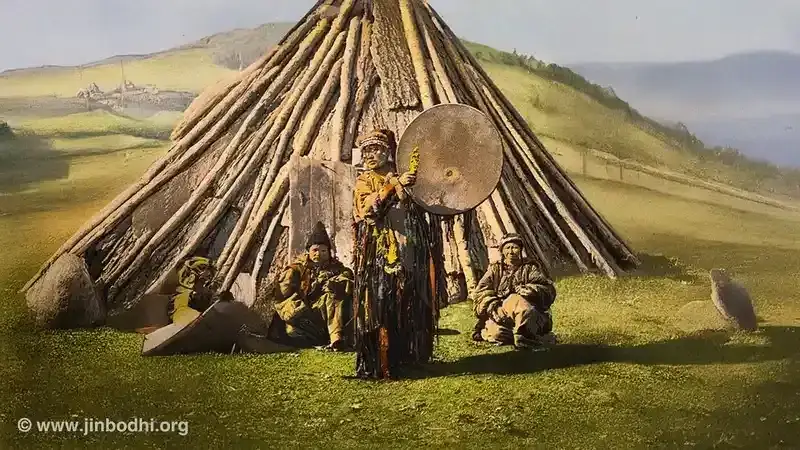
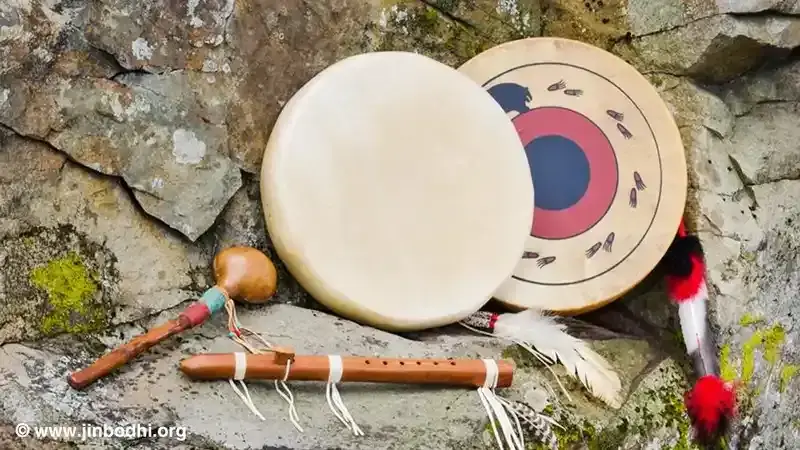
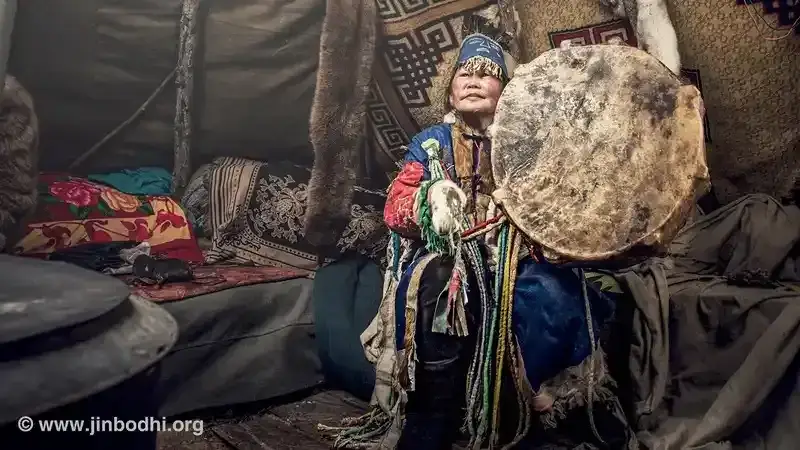
Have you ever wondered what “shaman” truly means? The term evokes a sense of spirituality and mysticism, but what are its actual beliefs? This article will introduce the origins and geographical distribution of Shamanism and explain the meaning of “shaman” to gradually unveil the mysteries behind it. In addition, we will explore the core principles of shamanic culture and gain deeper insight into this ancient belief system that exists across the globe.
What Is a Shaman? Understanding the Origins and Distribution of Shamanism
Before explaining the meaning of “shaman,” let’s first understand Shamanism. Shamanism is an ancient animistic and spiritual belief system that dates back to prehistoric times. Back then, people were faced with many unknowns in the natural world, such as weather changes, ecological evolution, and diseases. In their quest for answers, they engaged in “spiritual practices” to communicate with divine beings—offering sacrifices to the heavens, using music, dance, meditation, body language, chanting mantras, and employing medicinal plants—to explore the deep connection between humans and nature.
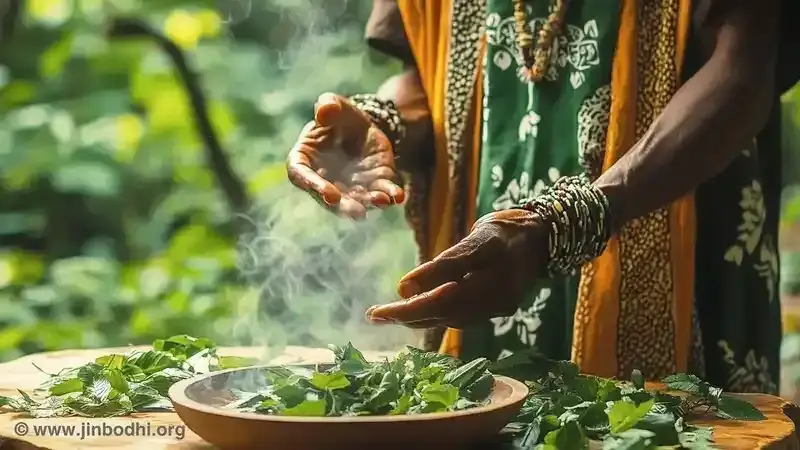
Shamanism is widely distributed throughout the world, including among the Native American tribes of North America, the Amazon rainforest in South America, the Tungusic peoples of Siberia, and the indigenous cultures of Central Asia, Tibet, Northern Europe, and the Volga River basin. Although the specific spiritual practices vary by region, the core belief of Shamanism remains consistent: everything in the universe has a soul, nature is sacred, and connecting with nature empowers people.
Meaning of “Shaman”: A Bridge Between the Spirit World and the Physical World
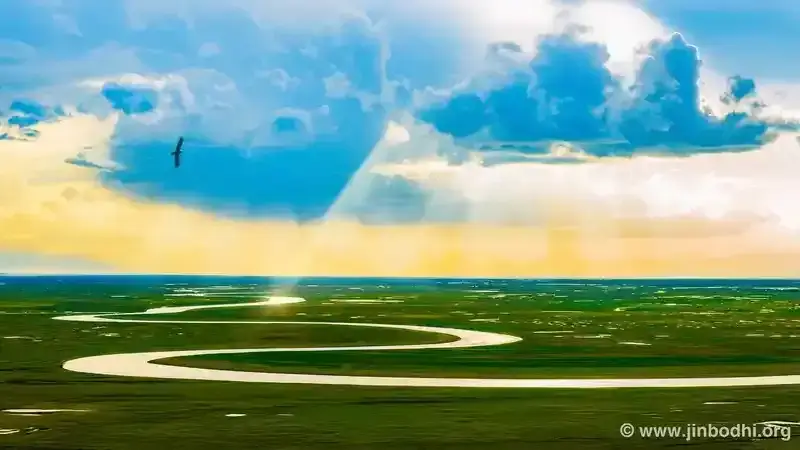
After learning about the origins and distribution of Shamanism, you may wonder: “What exactly does the word ‘shaman’ mean?” The term “shaman,” also referred to as Shamanic belief or shaman-practitioner, originates from the Evenki language of the Tungusic language family, with the word “šaman” meaning a medium capable of entering the spiritual world. Shamans are believed to possess the ability to communicate with the spirit world. Through various spiritual practices, they bring back wisdom and energy from the spirit realm to the physical world to help those in need, guiding lost souls and healing wounded bodies and minds. For this reason, shamans often serve as spiritual leaders within their tribes—not only leading major rituals and ceremonies but also bearing the responsibility of guiding the people toward the future.
Core Spirit of Shamanism: Animism and Reverence for Nature
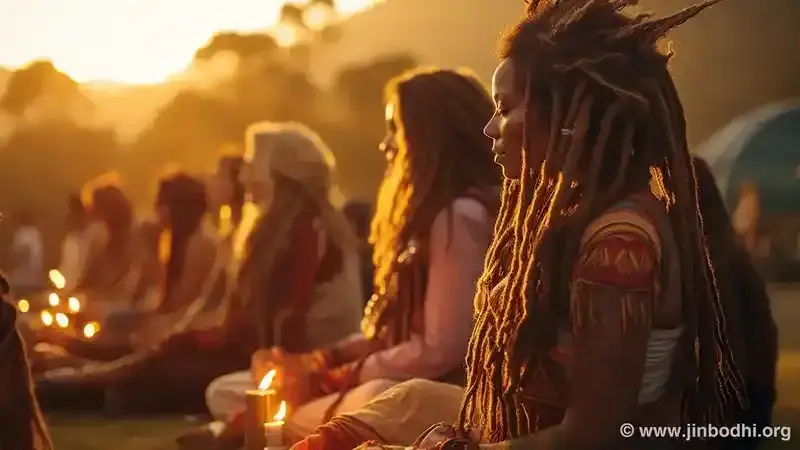
Shamanism is an ancient nature-based faith that believes all things in the universe have spirits. Dr. Michael Harner, a cultural anthropologist who extensively studied shamanic cultures around the world, discovered many shared core beliefs—chief among them is the idea of “animism.” This belief is the central value of shamanic culture: all beings and elements in nature are imbued with spiritual essence, interconnected, and worthy of respect.
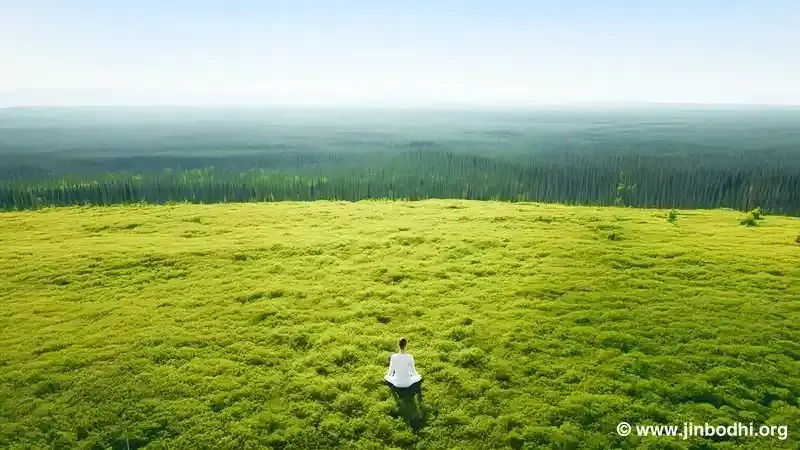
In Shamanism, even grass and trees are considered spiritual, as are elements like wind, fire, and water. As such, Shamanism emphasizes that humans should face nature with humility and reverence, respecting all forms of life—not treating the environment with an attitude of conquest or destruction. In other words, humans are not masters of nature but a part of it. If we coexist with all beings with respect and love, we can not only protect Earth’s ecology but also receive true blessings and peace from this harmonious relationship.
Grandmaster JinBodhi | Guiding You to Practice the Wisdom and Spirit of “Helping Yourself and Others”
Shamanism teaches that “everything has a soul.” In Buddhism, there is not only reverence for all things, but also compassion and protection for all beings. It teaches us how, through love and wisdom, to liberate ourselves and others—carrying a heart of compassion, guiding beings to plant seeds of goodness and avoid the consequences of suffering.
Grandmaster JinBodhi founded Bodhi Meditation, an international organization that teaches meditation techniques and promotes Buddhist teachings. Among
them, “Energy Bagua” integrates Grandmaster JinBodhi’s decades of cultivation experience, focusing on the harmony of movement and stillness, the balance of yin and yang, and alignment with the energies of heaven and earth, merging with nature. Through understanding the origin of the universe, one can awaken spirituality and begin a life of enlightened wisdom.
If you are searching for a long-term way to nourish your inner being, you are welcome to visit Bodhi Meditation Centers around the world or participate in Grandmaster JinBodhi’s online platforms. He offers simple and accessible meditation methods, a variety of online courses, and teachings through YouTube and Facebook, helping you better understand yourself and the world, gaining precious inspiration—not only for your own spiritual growth, but also to learn how to help others, leading to a joyful and fulfilling life.
Follow and subscribe to Grandmaster JinBodhi’s YouTube channel and Facebook page to learn the wisdom of meditation together.
Further Reading: