
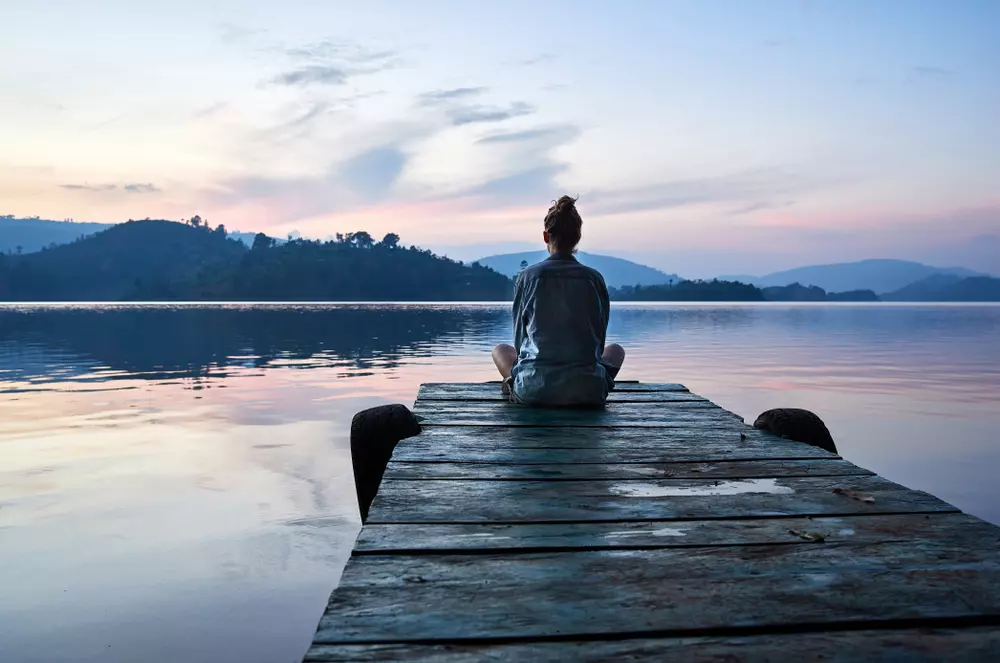
What are the benefits of meditation? Due to the fast-paced lifestyle of contemporary society, people have become more prone to stress, sleep disorders, and emotional distress. In recent years, more and more people have learned to relieve stress through meditation.
What is meditation exactly? Why can it help people relieve stress and achieve a state of mental and physical purity? What are the benefits of learning meditation? This article will answer some of the frequently asked questions about meditation.
Meditation and Health Improvement
Meditation has long been a spiritual practice used by monks to elevate their spiritual levels. The process of meditation can help us settle emotions, focus on the present, and achieve a state of purity and ease. Today, meditation is no longer confined to religious practices, and many psychologists have removed its religious and ritualistic aspects. For example, Jon Kabat-Zinn, a molecular biologist with a Ph.D. from the Massachusetts Institute of Technology, has introduced meditation to Western medicine and psychology, widely applying it to populations in need of mental and physical wellbeing.
Benefits of Learning Meditation
Learning meditation offers numerous benefits, and people from all walks of life and backgrounds have benefited from it. For instance, the co-founder of Apple, the late Steve Jobs, and the founder of Microsoft, Bill Gates, have been noted to be enthusiasts of meditation and applied its benefits to their careers and lives. Here are three major benefits of meditation:
1:Stress Relief and Health Improvement
People are bombarded by various stresses from relationships, work pressure, financial struggles, and family issues. Many do not set aside time for themselves to relax, leading to gradually emerging signs of physical and mental issues. Meditation allows us to relax, release tension, and enter a state of purity and ease. For individuals experiencing sleep disorders due to stress, meditation can help the brain enter a deep state of tranquility, thus improving sleep.
2:Clearer Thinking and Enhanced Focus
Grandmaster JinBodhi once explained meditation with a simple analogy. He compared our brain, containing all sorts of thoughts, to a bucket of water scooped from a river; the water is at first muddied by all kinds of unknown debris. After a period, the water settles, becoming clear when the debris sinks to the bottom of the bucket. This process is what meditation does to the brain. Meditation helps us to find clarity amidst the distractions; therefore, we can think clearly and make correct decisions in our life and work. Through regularly practicing, we can enhance our focus, making our learning more efficient.
3:Elevating Spiritual Wisdom and Learning to Let Go
The benefits of learning meditation go beyond improving physical and mental health; it can also elevate spiritual wisdom, helping individuals understand the truths underpinning the laws of Nature and come to a deeper understanding of the self. Additionally, incorporating the wisdom of meditation into daily life allows the practitioner to change their perspective, see through illusions, and let go of attachments. This broadens the mind, fosters compassion, and enables individuals to overcome past troubles, leading to the natural emergence of happiness and joy.
More:Back to Basics on the Benefits of Meditatio (Part I)、Back to Basics on the Benefits of Meditation (Part II)
What to Pay Attention to During Meditation?

What are the important considerations before starting meditation?
1.Venue and Location
Choose a clean and quiet location to avoid distractions and disturbances during the whole process. Meditating in a noisy environment or during thunderstorms is not advisable. Additionally, ensure proper airflow in the meditation environment, and avoid facing air vents or having fans blow directly to prevent catching a cold.
2.The Correct State
Do not meditate when surrounded by negative emotional states such as anger, sadness, or overly excited and agitated moods. Meditating during such emotional fluctuations may not only be counterproductive but could also affect mental and physical health. Also, it is not advisable to meditate on an empty stomach or immediately after a full meal. Eating until 70 to 80 percent full is recommended, with meditation starting approximately one hour after a meal for optimal results.
3.Clothing and Attire
During meditation, wear loose, breathable, comfortable clothing. It is recommended to choose clothing made of natural materials such as cotton or linen to ensure comfort. During cold weather, having a thin blanket or jacket to cover the waist and legs can help ward off the cold.
Bodhi Meditation Free Meditation Courses for Beginners
There is plenty of information about meditation on the internet, but for beginners, it can be challenging to discern accurate knowledge. Therefore, for beginners, it is recommended to attend guided meditation courses led by professional instructors.
Bodhi Meditation is an international organization dedicated to promoting meditation and offering meditation courses that are suitable for all age groups. In these classes, caring instructors provide guidance, answering common questions during practice sessions; under the guided visualization of Grandmaster JinBodhi, each participant can completely relax their body and mind, experiencing a sense of purity and ease. Additionally, Bodhi Meditation also provides an excellent learning environment which allows participants to immerse themselves in the meditation experience without external disturbances.
For more information, visit Bodhi Meditation College’s website or subscribe to the Facebook page and YouTube channel of Grandmaster JinBodhi.
Extra Reading:
What Is Meditation? Learn the Benefits of Meditation and Grandmaster JinBodhi’s Suggestions