
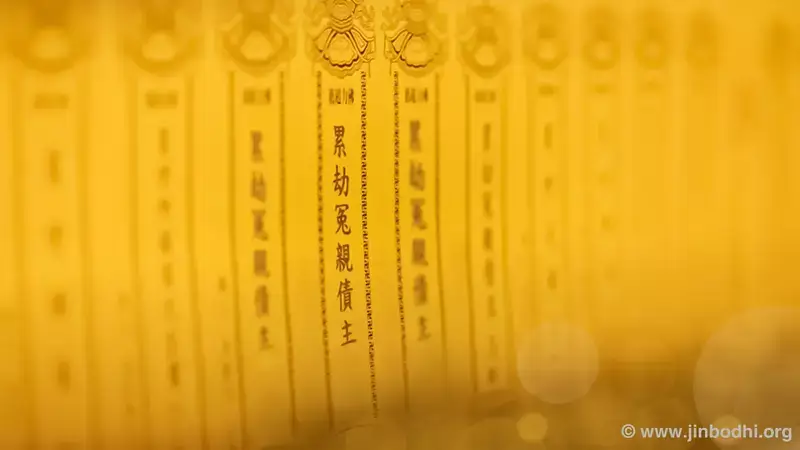
Many people misunderstand karmic creditors (冤親債主, yuānqīn zhàizhǔ), viewing them as negative entities and even feeling fearful. In truth, karmic creditors are not to be feared. They are sentient beings with whom we’ve formed karmic ties over many lifetimes—possibly family, friends, or those with whom we’ve had unresolved grievances. When these karmic debts remain unsettled, they can affect our physical and mental health, cause bad luck, or create interpersonal difficulties.
This article explores the true meaning of karmic creditors, the impacts they may cause, and how to properly resolve these karmic entanglements to help them attain liberation—thus restoring peace and wholeness to our own hearts.
What Does “Karmic Creditor” Mean?

The term doesn’t refer solely to malevolent spirits or beings with hatred toward us. Rather, it encompasses all sentient beings who have complex karmic relationships with us—whether bonds of kindness or resentment—from past or present lives. These may be close relatives or strangers, but due to karma, they are now linked to us through cycles of giving and repayment.
In the six realms of rebirth, karmic creditors may include our closest loved
ones—parents, children, siblings, or romantic partners—whose unfinished karmic entanglements from previous lives reappear in this life either as benefactors or as trials. The term includes both “enemies” (冤, yuān) and “relatives” (親, qīn). Those with mostly negative karma may come to seek repayment; those with positive ties may return to repay kindness. Whether good or bad, these unresolved karmic relationships form debt-based dynamics (債主, zhàizhǔ)—meaning they may appear to collect or return what was owed. Thus, karmic creditors are not necessarily harmful spirits; they may be deeply bonded souls from our past.
How Do Karmic Creditors Arise? Does Everyone Have Them?
Everything in the universe is governed by cause and effect. Karmic creditors are reflections of our own past states of mind and behavior, accumulated through actions and intentions over many lives. Like seeds planted in the field of life, these karmic imprints mature when conditions ripen. Every encounter in life is no accident—“No affinity, no meeting; no debt, no appearance.” The presence of karmic creditors is the echo of past karma.
Words spoken in anger, unintended harm, betrayal in business, or emotional entanglements may all plant seeds of karma. If these debts are not resolved, the beings we’ve wronged may return in the form of karmic creditors, affecting our health, fortune, and even future generations. The degree of impact varies—some face mild challenges due to lighter karma, while others face severe obstacles caused by heavier karmic debts. These are all manifestations of karma at work.
Thus, everyone has karmic creditors to some extent. Our souls have cycled endlessly through the six realms, forming karmic ties with countless beings. Some may be past loved ones with lingering attachments; others may be beings we harmed, now returning for justice; others may be tied to us through complex
emotional or financial entanglements. Some may help us grow through trials, while others may hinder our path. If karmic debts remain unresolved, these creditors may remain stuck in hatred and attachment, affecting our body, mind, and fortune. At this point, we must resolve these karmic ties through compassion—by cultivating, offering lights, offering to the Buddhas, chanting, dedicating merit, and doing good deeds—to transform karma, free the creditors from suffering, and bring light and harmony to our lives.
How Do Karmic Creditors Affect Us? What Are the Symptoms?

When life feels blocked, health deteriorates, luck declines, or the home becomes unstable, it may not be random—it could be signs of karmic creditors seeking repayment. Negative karma follows us like a shadow. When it matures, karmic creditors may appear, influencing health, relationships, wealth, and even descendants. These signs are reminders to repent, chant, dedicate merit, cultivate diligently, and perform good deeds to dissolve obstacles and transform misfortune into blessings.
Here are 4 common signs of karmic creditor influence:
- Sub-health or chronic illness
Karmic creditors gradually drain vital energy, causing poor circulation, fatigue, and chronic discomfort. Some may suffer from mysterious illnesses that evade medical diagnosis—often symptoms of karmic repayment.
- Recurring nightmares
When karmic creditors come to seek repayment, they often appear in dreams. These may involve fear, falling, being chased, crying, or feeling oppressed by unseen forces. These nightmares are signs of manifesting karma. If unresolved, they may lead to greater problems.
- Family misfortune or destructive behavior
Behaviors like alcoholism, lust, gambling, reckless investing, lying, laziness, depression, marital trouble, or early death may signal karmic debt. These destructive patterns reflect unresolved past karma.
- Affecting future generations
Karmic creditors may also impact one’s descendants, leading to poor academic performance, rebellious behavior, or family disharmony. This can weaken a family’s generational blessings.
How to Resolve Karmic Creditors: 3 Effective Methods
Karmic creditors are formed from unresolved karma. Only through sincere repentance and compassionate practice can we dissolve their resentment and help them find peace. To truly resolve these entanglements, one must commit to long-term spiritual cultivation, accumulate virtue and merit through compassion and wisdom, and dedicate that merit sincerely. This transforms resentment into blessings and leads both parties to peace.
Method 1: Recite the Earth Store Sutra (地藏經)
Chanting this sutra and dedicating its merit helps dissolve karmic creditors’ resentment, improving health and fortune. With the blessings of Earth Store Bodhisattva, accumulated karma is cleared, and both parties are guided toward liberation and peace.
Method 2: Join Chanting Retreat
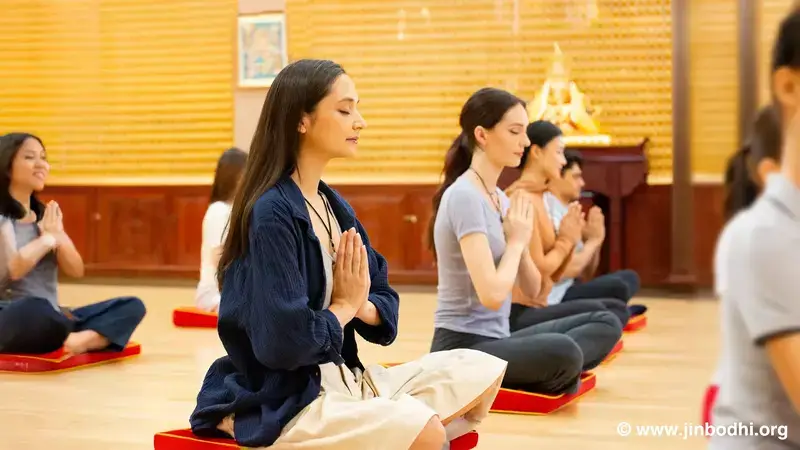
Chanting Buddha’s name purifies karma and helps karmic creditors gain liberation. At Bodhi Meditation centers, participants chant with reverence and sincerity, receiving blessings from Buddhas and Bodhisattvas. This comforts karmic creditors, dissolving hatred and fostering peace. The sound of chanting soothes the soul, enhances wisdom, and brings blessings to future generations.
Method 3: Offering Lights and Offering to the Buddha
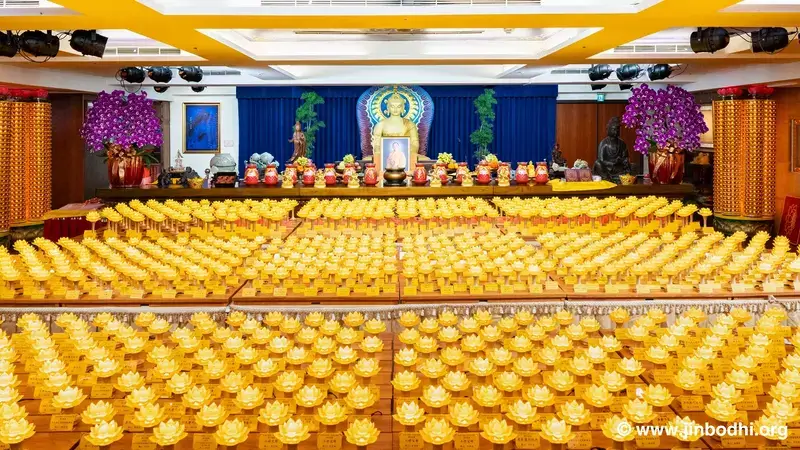
Offering lights before Buddha symbolizes light and wisdom. By offering lights for karmic creditors, we express reverence and compassion, praying that the light guides them from suffering to peace. During hardships, offering light for the departed helps dissolve karmic obstacles and brings peace to both sides.
The Fastest Way to Resolve Karmic Creditors: Attend a Blessing Ceremony Hosted by Grandmaster JinBodhi
In addition to the methods above, consider participating in Ullambana Festival Blessing Ceremony held at Bodhi Meditation Centers worldwide. Ullambana Festival is a major Buddhist observance focused on transcending karmic creditors. The merits of this day bring liberation to karmic creditors and blessings to both the living and the departed.
Ceremonies include chanting, light offerings, circumambulating the Buddha, energy healing, vehicle purification, oracle reading and life guidance, and copying the Earth Store mantra—all of which help remove karmic obstacles and increase blessings. You can also join online blessing ceremonies led by Grandmaster JinBodhi, offering lights, memorial tablets, and prayers for karmic creditors. These practices bring peace to the living and liberation to the departed. For schedules and locations, visit the Bodhi Meditation website.
Further Reading:
Offering Lights Before the Buddha: Infinite Merit | Learn the Benefits and Rituals of Light Offering
Does Praying for Blessings Really Work? Discover 4 Methods to Accumulate Infinite Merit and Fortune