
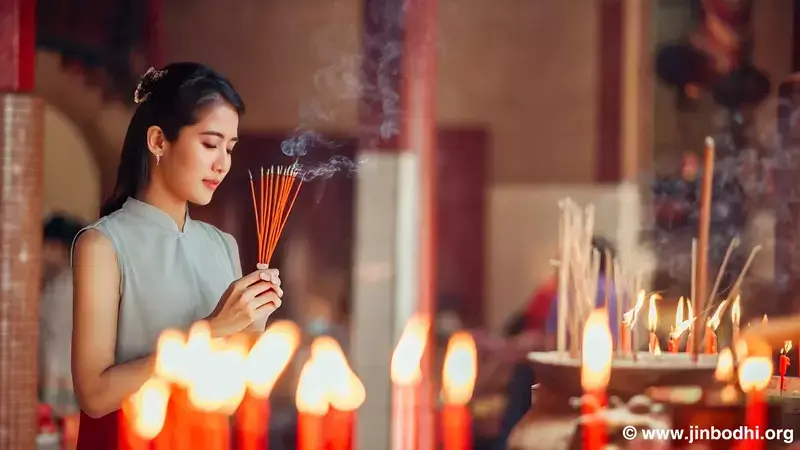
In life, we all encounter challenges—big or small—that we may not be able to resolve on our own. So how can we seek help from the divine? This article will guide you through how to prepare before making a vow, introduce 4 ways to communicate with deities, explain the meaning and practice of fulfilling vows, and address common questions about prayers and vow fulfillment—such as timing, communication techniques, and offering gratitude to receive blessings from Buddhas and Bodhisattvas.
How to Ask the Divine for Help? First Understand Your Intention
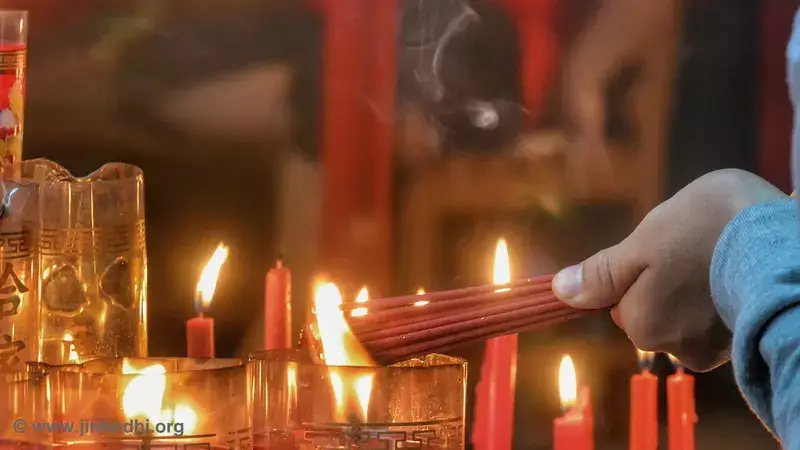
Before seeking help from the divine, it’s important to clearly understand your intention, and from that, frame your question and approach appropriately. Generally, all problems can be broken down into four aspects:
The cause of the problem
The method to solve it
How to determine whether it has been resolved
How to prevent it from happening again
Preparing in advance will help deities understand your needs and provide clearer guidance.
How to Communicate with the Divine? Grandmaster JinBodhi Shares 4 Methods
Deities are formless and not bound by space or time—so how do we communicate with them? Just as we can call someone far away by dialing their number, we can “connect” to the divine using our intentions as an invisible phone. When we align our frequency with that of the deities and sincerely express our wish, the communication becomes effective.
Grandmaster JinBodhi shares 4 practical methods to help you connect with divine beings. Choose the one that suits your needs:
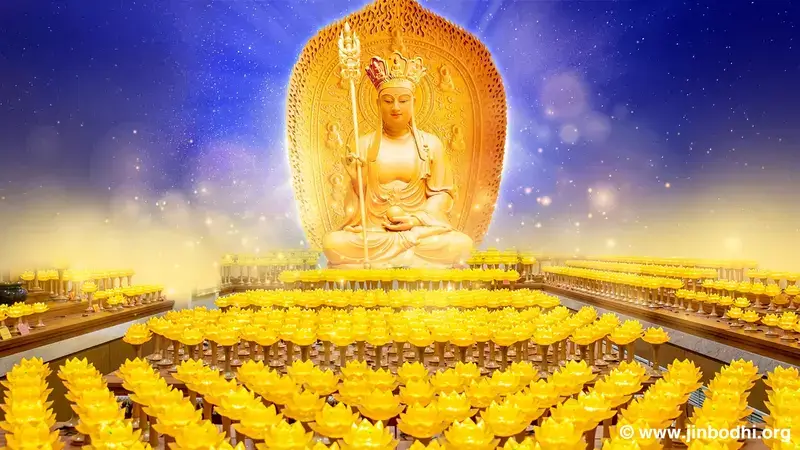
- Chanting the Buddha’s Name or Mantras
Reciting the sacred names or mantras of Buddhas and Bodhisattvas can help purify the body and mind, calm distracting thoughts, and focus your intention. This focused state enables you to resonate with the divine and achieve spiritual communication.
- Prostration
Also known as “long kowtow,” this is a full-body expression of reverence. It’s both a profound ritual of respect and an effective spiritual practice. It can improve mental and physical health, eliminate the five poisons (greed, anger, ignorance, pride, doubt), and cultivate humility. Through sincere devotion, one quickly attunes to the blessings of Buddhas and Bodhisattvas and receives their protection.
- Offering Light Before the Buddha
Light symbolizes wisdom and the dispelling of darkness. Offering light before the Buddha illuminates not only the Buddha statue but also your heart. This helps open your wisdom, dispel ignorance and karmic obstacles, ease body and mind, and make it easier to connect with divine beings.
- Writing a Wish Card
The Wish Card embodies Bodhi Meditation’s compassionate vow, inspired by the Buddhas, Bodhisattvas, and Grandmaster JinBodhi’s aspiration to benefit all beings. It offers the simplest and most convenient way for people to have their wishes fulfilled. Write your wish on the card and hang it on the wishing wall to receive the blessing of Buddha. It is best if the individual writes the card themselves, maintaining sincerity and respect throughout the process—never treating it casually or disrespectfully.
These are the simplest and most effective ways to communicate with the divine. Regardless of the method, what matters most is your intention—keep your heart sincere and focused during your prayer so that the Buddhas can truly feel your devotion. Your wishes will then be fulfilled sooner.
What Is “Fulfilling a Vow”? A Devotee’s Way of Giving Thanks
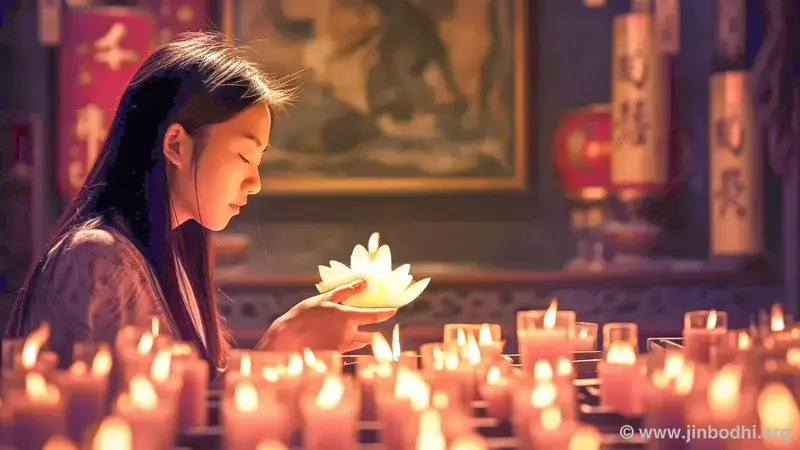
Fulfilling a vow means showing gratitude to the divine after a wish has been granted, by honoring the promise made when the vow was taken. Therefore, when making a wish, it’s best to clearly state a reasonable and manageable way to repay it—this shows sincerity and respect. You must not change your vow afterward; fulfill it exactly as promised. If you forgot to specify how to fulfill the
vow, once the wish is granted, express your gratitude in the most appropriate and respectful way possible.
What Should You Prepare for Fulfilling a Vow? Bodhi Meditation’s Recommended Practices
Since everyone’s vow is different, just prepare according to the promise you made. Common vow-fulfillment practices at Bodhi Meditation include:
- Offering light before the Buddha
- Gilding Buddha statue
- Donating to support the meditation center
- Sponsoring Grandmaster JinBodhi’s Livestreams
- Chanting the Buddha’s name or mantras
- Performing prostrations
- Enshrining a Buddha statue at home
When making a vow, clearly state the method, quantity and amount for fulfilling the vow so that you can repay it accordingly—demonstrating your sincerity and integrity.
Things to Keep in Mind When Fulfilling Vows: FAQs Answered
Now that you understand the basics of praying and vow fulfillment, let’s answer some common questions:
Q1. Is There a Time Limit for Fulfilling a Vow?
While there’s no strict rule, it’s best to fulfill the vow as soon as possible, such as:
- On the day the wish is granted
- Within a week or a month
- On the full moon day of that month
The sooner the better. Grandmaster JinBodhi advises not to exceed 100 days after your wish has come true.
Q2. What Should You Say When Fulfilling a Vow?
Introduce yourself to the deity with sincerity, stating your full name. Then, mindfully recall the vow you made and explain how you are now fulfilling it. Express heartfelt gratitude to the divine for granting your wish and allowing you to honor your vow.
Q3. What If I Don’t Fulfill My Vow?
Grandmaster JinBodhi reminds us: If you’ve received help from the divine, you must keep your promise. Many life problems can’t be solved by human effort alone, but with divine aid, things often work out miraculously. Hence, when your wish is fulfilled, don’t assume it was just luck and grow arrogant.
For example, someone might be destined for a serious car accident. But if they had once offered a light to the Buddha—even without strong faith—this merit might protect them. The car could be destroyed, but the person walks away unharmed. However, if that person dismisses the blessing and fails to show gratitude, it is as if the calamity never happened—the destined misfortune will return. But when it does, will that person be fortunate enough to escape it again?
The Buddhas and Bodhisattvas are infinitely compassionate. They do not punish—but life is full of suffering, and everyone carries karmic burdens. No one gets through life completely smoothly by their own strength alone. That’s why it’s important to remain grateful, be respectful to the divine, and accumulate good karma. This way, when challenges arise, help will appear to guide you through.
How to Ask for Divine Help? Bodhi Meditation Offers a Bridge of Communication
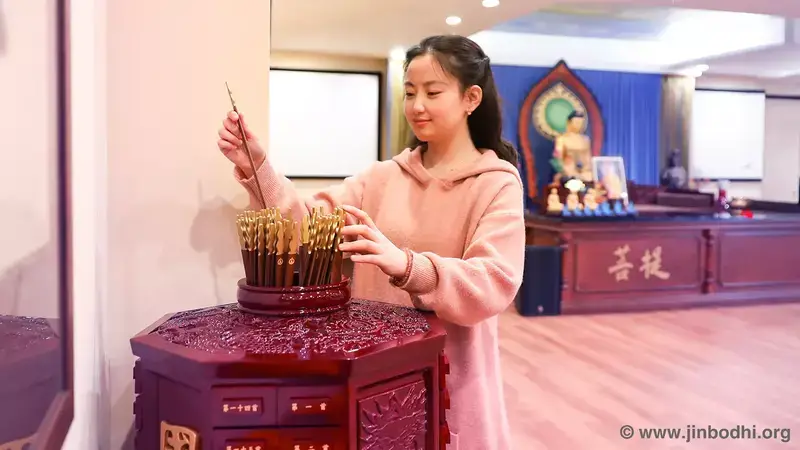
Do you have a heartfelt wish but don’t know where to go for guidance? Bodhi Meditation Centers around the world serve as a bridge between you and the divine. You may express your wish by offering light, chanting, or drawing an oracle lot. Oracle reading service is available to help interpret the oracle lots and uncover divine guidance, empowering you to find clarity and direction in life.
Bodhi Meditation also provides easy ways to accumulate merit, build good karmic connections, and sow the seeds of happiness for a fulfilling and blessed life.
Further Reading:
Benefits of Full Prostration? Learn the Right Way to Improve Mind-Body Wellness