
In recent years, extreme weather events such as fires, floods, hurricanes, and earthquakes have been occurring more frequently, posing continuous threats to humanity and causing significant damage and harm. Therefore, having mental and household preparedness for disasters can safeguard your lives and reduce losses in critical moments. Grandmaster JinBodhi, filled with compassion for the public’s safety, wishes to share some advice and knowledge regarding disaster preparedness, hoping it will be helpful to you.
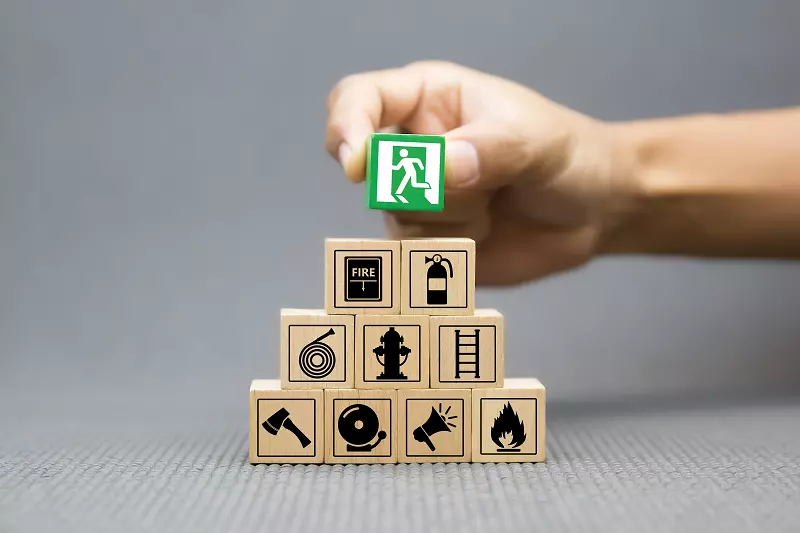
Start with everyday preparedness and ensure clear escape routes!
In the event of a disaster, time is of the essence. If escape routes are blocked, how can you evacuate quickly? Here are four key points to note about escape routes that will help you stay vigilant, make necessary adjustments, and become proficient in evacuation methods:
- Two Escape Routes:
Ensure there are at least two escape routes in your home, so you can safely and quickly evacuate in case of disasters such as fires or earthquakes. - Choose an Exit Path:
Your main exit choice should be the front door. In emergencies, you should be able to open it quickly and escape. - Key Locations:
Familiarize yourself with the location of your front door key in normal circumstances to avoid frantic searching during emergencies. - Window Safety:
Avoid sealing windows with iron bars. Balconies and windows can also serve as escape routes, so ensure they can be opened easily.
Earthquake Safety Knowledge | The Three Steps for Earthquake Preparedness: Drop, Cover, and Hold On
When an earthquake occurs, you may have only a few seconds to react and protect yourself. According to the promotional advice from the Taiwan National Fire Agency, in the event of an earthquake, you should immediately take the “Three Steps for Earthquake Preparedness”: “Drop, Cover, and Hold On.” This involves getting down on the ground, seeking cover, and holding on to protect your safety.
In addition, choosing the right shelter location can significantly reduce the risk of injury. Your location will affect the actions you should take. Here are some recommendations for different locations:
- Living Room: Try to take cover under a sturdy table (except glass tabletops) and move away from glass windows, electric lights, electric fans, and easily collapsing cabinets.
- Bed: Stay in bed, curl up your body, and protect your head and neck with a pillow or blanket.
- Bathroom: Bathrooms are relatively earthquake-resistant due to more support columns. However, be cautious of falling objects such as mirrors, cabinets, or shelves. If you’re in other areas, don’t rush to the bathroom; you may slip and injure yourself.
- Kitchen: If you’re cooking, immediately turn off the gas if possible and stay in place. Don’t rush to turn off the stove if it’s not easily accessible.
In summary, when an earthquake occurs, immediately take cover where you are, avoiding unnecessary movements. It’s not recommended to try to escape or open doors during the shaking. Wait for the shaking to stop before taking actions such as opening doors or turning off utilities.
Upgrade Your Disaster Preparedness Knowledge | Typhoon and Flood Preparedness Essentials
Typhoons and floods, among various natural disasters, are the most predictable and can be prepared for in advance. Having the right knowledge and taking timely precautions can minimize disaster losses. Grandmaster JinBodhi advises that during a flood, floodwaters usually carry various debris, including trash, mud, rocks, trees, cars, and even houses, all rushing together. In addition, the path of the floodwater is unpredictable. Based on these characteristics, here are six self-rescue points for flood preparedness:
- Move to Higher Ground:
If time allows, quickly move to higher ground, away from low-lying areas where flooding is likely. - Perpendicular to Flood Direction:
When encountering flash floods, don’t run along the flood direction. Move to the sides quickly, to avoid crossing the current. - Grab onto Stable Objects:
If floodwaters rise too quickly, and there’s no time to move, climb onto a roof or grab onto a stable object such as a large tree to reduce the risk of being swept away, and wait for rescue. - Find Buoyant Objects:
If there are no stable objects nearby, look for buoyant items such as a large piece of wood or a door. In case you are swept away, place the object under your body to avoid collisions with other obstacles. - Floating Self-Rescue:
If you are unfortunately swept away by the flood, use the floating self-rescue method. Keep your body in a supine position, with your feet forward and head back to prevent head injuries. If you encounter bends in the current, swim towards the inner curve to make it easier to get ashore. - Stay Calm:
In critical situations, panic can lead to wrong decisions. Therefore, staying calm, vigilant, and organized in your actions is crucial.
In addition to flood preparedness, when facing strong winds and heavy rain from a typhoon, the following seven important preventive measures can help protect you and your family to the fullest:
- Reinforce Windows:
Strong winds from a typhoon can shatter windows. Use tape to secure windows or reinforce them with boards to prevent them from breaking due to wind and rain impact. - Close Doors and Windows:
When a typhoon approaches, make sure all doors and windows are closed to prevent flooding indoors. - Window Frame Protection:
Place towels or other absorbent materials around window frames to prevent rain from seeping in. - Clear Drainage Around the House:
Clear drainage systems around your home to prevent blockages and flooding during heavy rains. - Move Balcony Plants to Safety:
Remove outdoor hanging objects and potted plants from your balcony to prevent them from falling. - Secure Signs and Billboards:
Ensure outdoor signs and billboards are secure and won’t become hazards in strong winds. - Avoid Going Out:
During a typhoon, avoid going to the beach or riverside for outdoor activities. If you must go out, be cautious of falling large signs, trees, and utility poles.
How to Prepare a Disaster Survival Kit
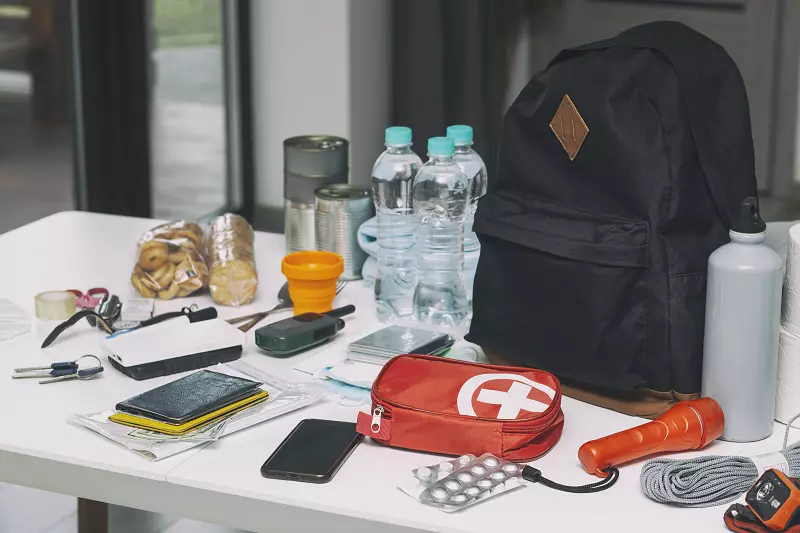
- Category 1: First Aid Supplies
○ Adhesive bandages, alcohol wipes, medical tape, masks
○ Common medications for colds, inflammation, etc. - Category 2: Food and Water
○ Long-lasting, ready-to-eat foods (energy bars, dried fruits, nuts, biscuits)
○ Sufficient bottled water
(enough to sustain basic needs for three days) - Category 3: Lighting and Communication
○ Flashlights, flashlights with fast blinking mode
○ Mobile phones, radios
(ensure you have at least two spare sets of batteries for these items) - Category 4: Emergency Tools
○ Swiss army knife
○ Rope, duct tape, thick cotton gloves, whistle, lighter
○ Spare keys
○ Some cash
○ Copies of important documents (ID cards, health insurance cards) - Category 5: Warmth and Comfort
○ Warm clothing
○ Small blankets, hand warmers
○ Lightweight raincoats, tissues, towels - Additional Items for Families with Children, Seniors, or Pets
○ Prepare formula, diapers, baby bottles, and pet food, as needed.
Grandmaster JinBodhi reminds everyone that disaster preparedness kits should be regularly checked and updated as necessary. Check the expiration dates of food, water, and medications, and replace any expired items to ensure they’ll be useful when needed. Also, keep your disaster kit in an easily accessible place.
Natural Signs May Have Hidden Meanings | Increasing Awareness and Learning to Observe Natural Signs
Before natural disasters occur, sometimes there are various signs and omens in Nature, including unusual phenomena in the environment, behavior of animals, and natural events. For example:
- Unusual Atmospheric Phenomena: Before major earthquakes, unusual lights such as red or green lights may appear, or booming noises may be heard. These phenomena may be related to changes in underground pressure before an earthquake and are associated with crustal movements.
- Unusual Animal Behavior: Sometimes, collective behavior of animals, such as herds running or migrating, can be observed before natural disasters. Animals often have higher sensitivity to impending disasters than humans.
- Unusual Natural Events: Before floods, you may notice muddy water in streams, rapid changes in water levels, an increase in drifting non-aquatic plants, or even the sound of thunder or strange noises.
Learning to observe these natural signs can sometimes serve as warnings. However, it’s important to approach unusual atmospheric phenomena rationally and calmly, considering them as reminders rather than sources of panic.
In conclusion, Grandmaster JinBodhi once again emphasizes that disaster preparedness is crucial for protecting yourself and your family’s safety. Therefore, staying vigilant at all times and being prepared for disasters is essential. Wishing everyone a safe and auspicious summer.