
People who can see spirits or communicate with deities and Buddhas are undoubtedly seen as special by the general public. But does this mean they carry a heavenly mission? Is such an ability truly arranged by heaven, or is it a personal life experience? Want to know what it means to carry a divine mission? Do people really have a heavenly calling? How can you confirm whether you have one? This article will help you understand the meaning of carrying a heavenly mission and the spiritual path, helping you find a practice path that suits you.
What Is a Divine Mission? What Does It Mean to Carry One?
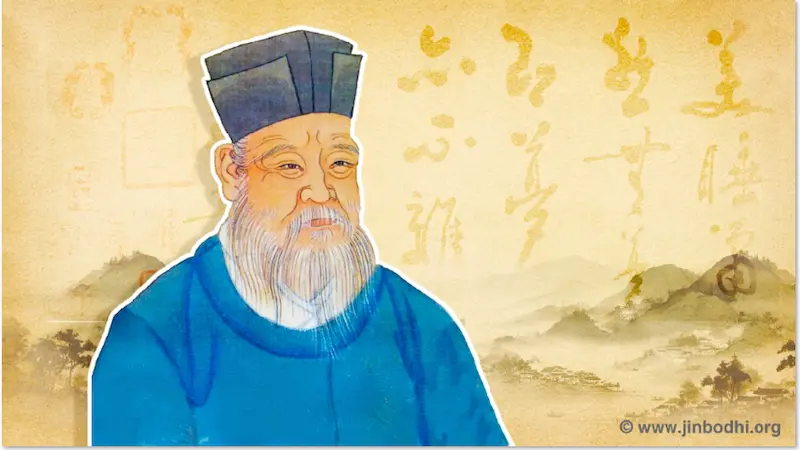
The term “divine mission” (天命) originates from Confucian thought, which believes that life and death are fated, and wealth and honor are granted by heaven. Even the rise and fall of dynasties and rulers are not entirely human decisions, but rather influenced by heavenly will. For instance, a virtuous person can gain the support of heaven and become king or emperor, while a person lacking virtue will lose that support and fall into decline and destruction.
Due to Confucian influence, people believe that a divine mission is a task assigned by heaven. Those with special abilities or those who made significant contributions to society are often considered to carry such missions. These include mediums, religious leaders, or even renowned scientists, doctors, politicians, etc., who are seen as messengers sent by heaven—born with certain talents or destined to fulfill a certain purpose.
Some are destined to govern a nation; some to lead reform during turbulent times; some to serve as intermediaries of divine beings, delivering messages or healing others; some are destined to embark on the spiritual path with a mission to save others and bring universal salvation.
However, Taoism emphasizes personal effort more and believes: “My fate lies with me, not with heaven.”Laozi said: “I share one energy with heaven and earth, and govern it by guarding the source.” Taoism encourages people to cultivate their essence, energy, and spirit, which can lead to immortality and control over one’s destiny. This view aligns closely with Buddhism, which teaches that all beings possess Buddha-nature and that anyone can attain Buddhahood through proper practice.
Moreover, Buddhism’s karmic principle — “If you wish to know the causes from past lives, look at what you are experiencing in this life. If you wish to know the results in future lives, look at what you are doing now.” — beautifully explains the concept of divine missions while empowering individuals to shape their own destiny.
The Buddha said: “Life is the repayment of karma.” We are not born into this world by heavenly decree or by divine command, but rather due to the workings of karma. Our current fate depends on the karmic seeds we have sown — good karma leads to a fortunate life; bad karma leads to suffering and hardship. However, vows can override karma. Many great practitioners have already transcended reincarnation, yet return to the human world powered by great vows of compassion, solely to guide others toward awakening and liberation.
From the perspective of Dharma, everything arises from causes and conditions. What we call a “divine mission” is not random — it may result from accumulated blessings in past lives, mastery of a certain skill, a powerful vow once made, or even a sacred pact with divine beings. When these karmic conditions mature in this life, such individuals may exhibit innate understanding, quickly mastering a field, or face life-changing events that lead them to fulfill their life’s mission.
What Are the Signs of Someone with a Divine Mission? What Traits Do They Have?
People with a divine mission often show extraordinary talents during their upbringing. They may excel in a particular field, have sharp intuition, or feel a deep sense of duty or mission toward certain causes. As time and practice accumulate, they naturally apply their gifts and transform this mission into concrete actions, ultimately benefiting society.
In truth, everyone’s life has its unique value. Each person has their own tasks and purpose in life. As the saying goes: “As heaven maintains its vigor through movement, a noble person should constantly strive for self-improvement.” Spend more time exploring your interests, delve deeper into your passions, and take bold steps into new fields. With scientific methods and persistent effort, anyone can discover their strengths and potential.
Grandmaster JinBodhi once said: “We may not know what our divine mission is, but we must live with diligence, effort, and sincerity to fulfill what we ought to do in this life. When we reflect at the end of life and feel that we truly gave our all, we won’t have lived in vain.”
How Can You Better Fulfill Your Mission? 3 Spiritual Practices to Unlock Your Potential and Live a Fulfilling Life
Spiritual cultivation is life’s most important subject. Each of us carries immense karmic debt from countless past lives. Only through proper practice can we break the shackles of karma, release karmic obstacles, reveal our strengths, fulfill our mission, and lead a meaningful life.
Here are 3 simple, effective, and safe spiritual practices to help you cleanse negative karma and uplift your body, mind, and spirit:
1.The Meditation of Purity
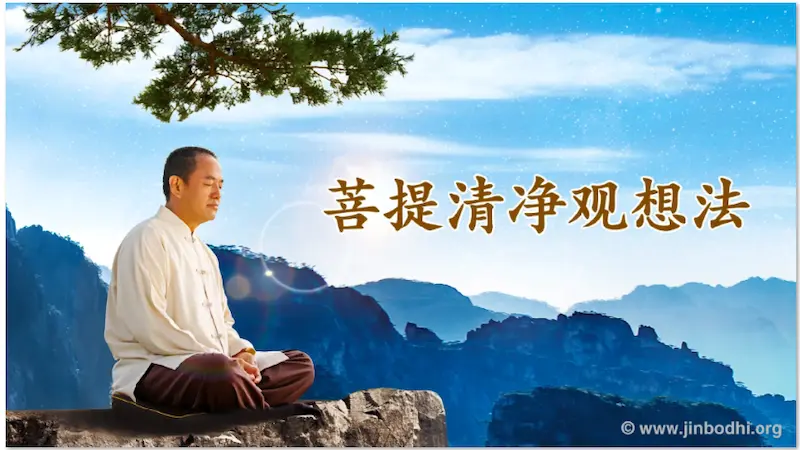
This is a type of sitting meditation. With Grandmaster JinBodhi’s guidance, you focus the mind through visualization to replace countless scattered thoughts with one pure thought. This process allows you to gradually enter a tranquil state, unlocking infinite inner potential. It’s recommended to practice in a quiet, wind-free space while sitting on a moderately firm cushion. With relaxed posture and focused attention, consistent daily practice will yield deeper and better results over time.
2.Full Prostration Practice
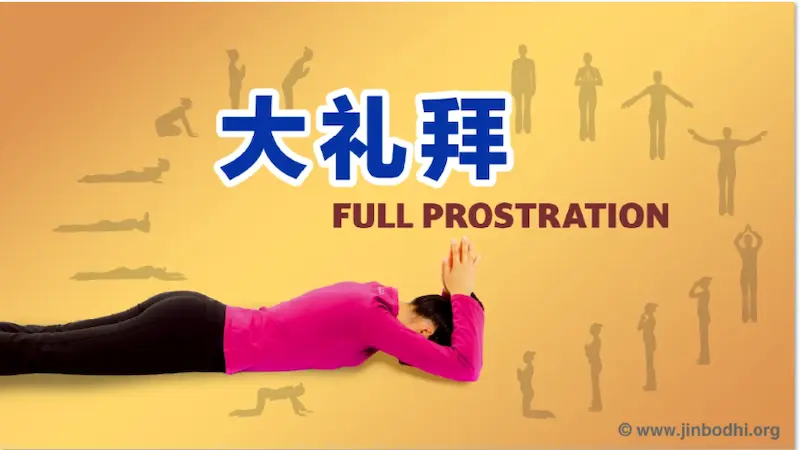
This is a dynamic form of spiritual practice compared to seated meditation.
Practicing full prostrations can stretch muscles, strengthen the body, release negative energy, and help reduce ego, dissolve attachments, activate wisdom, and stimulate the brain’s potential. You’ll need an object of devotion during prostration — such as an image of a Buddha, Bodhisattva, or your Root Guru — to bow toward with sincere reverence. This can be paired with visualizations of light, letting your body and mind bathe in auspicious Buddha light. Daily practice of at least 30 minutes can stabilize the mind, elevate spiritual awareness, and enhance both intuition and creativity.
3.The Meditation of Greater Illumination
The Meditation of Greater Illumination is one of the core practices in Bodhi Meditation.
It integrates Grandmaster JinBodhi’s many years of cultivation essence.It not only rapidly replenishes energy and strengthens health but is also a rare and profound method capable of instant spiritual breakthroughs and realization in this very lifetime.
With daily, consistent practice, you can expand inner compassion and light, purify negative karma with boundless merit, attain inner peace and clarity, and take on greater life missions.
Bodhi Meditation | Cultivate Both Blessings and Wisdom, and Discover Life’s Infinite Possibilities
Everyone is born with a purpose. If you wish to find your calling and live a brilliant life, Bodhi Meditation warmly welcomes you. The practice here emphasizes balanced cultivation of blessings and wisdom. Through disciplined spiritual cultivation, you can understand yourself better, explore inner potential, and awaken wisdom. By serving and helping others, you can quickly eliminate karmic obstacles, accumulate merit, and accelerate your progress toward spiritual accomplishment.
In this genuine and practical path, you can also form connections with Buddhas and Bodhisattvas. With the right intention and pure mind, you will be bathed in Buddha’s light and receive the compassionate blessings of Grandmaster JinBodhi. This will help you fulfill your wishes and live a smooth, fulfilling life.
Further Reading: