
When it comes to the Mediterranean diet, what most people immediately think of is a healthy and longevity-promoting way of eating.
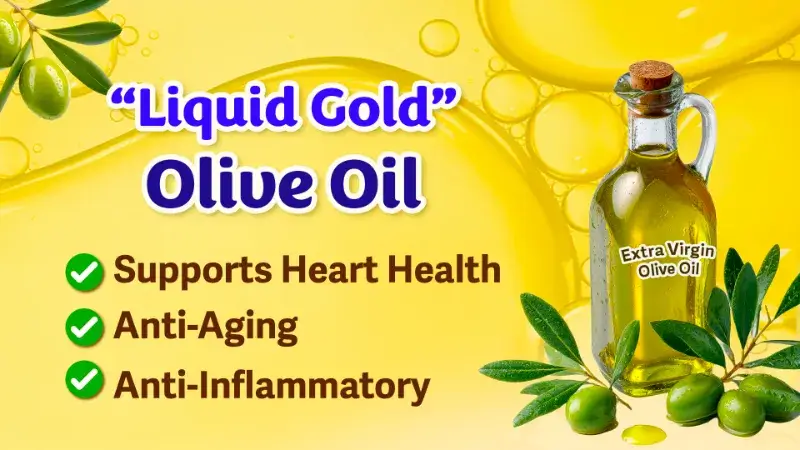
At the heart of this diet lies one essential ingredient—olive oil, praised as “liquid gold.”
Olive oil not only gives food a unique fruity aroma and depth of flavor, but also holds high nutritional value, earning it the reputation as a key ingredient in heart-healthy and anti-aging diets.
However, to truly reap the health benefits, it’s crucial to choose the right type of olive oil.
What Are the Benefits of Olive Oil? Why Is It Known as “Liquid Gold”?
Protects the Heart and Lowers Cholesterol
Olive oil is rich in monounsaturated fats (oleic acid), which effectively regulate blood lipids, lower bad cholesterol (LDL), and raise good cholesterol (HDL).
Consuming olive oil regularly significantly reduces the risk of cardiovascular disease, which is why nutrition experts call it a natural protector of the heart. (Note 1)
Anti-Aging & Antioxidant Power
Olive oil is packed with polyphenols and vitamin E, both powerful antioxidants that help neutralize free radicals, slow down cellular aging, and promote healthy skin and overall longevity. (Note 2)
Reduces Inflammation
The polyphenols and oleuropein in olive oil help suppress inflammation, lowering the risk of chronic inflammatory conditions such as arthritis and metabolic syndrome. (Note 3)
How to Choose Olive Oil: Know the Grade at a Glance
With so many types of olive oil available on the market, not every bottle offers the same nutritional value.
That’s why recognizing the correct grade is vital.

Extra Virgin Olive Oil (EVOO)
Extracted through cold pressing directly from fresh olives, it retains the full nutritional content and natural fruitiness—making it the healthiest choice.
Refined / Pure Olive Oil
Undergoes chemical refining, which destroys most nutrients and significantly reduces health benefits.
※Grandmaster JinBodhi’s reminder: When buying olive oil, always look for the “Extra Virgin” label on the bottle.
How to Use Extra Virgin Olive Oil: 4 Key Tips for Retaining Nutrition

To fully benefit from olive oil’s health effects, it’s important to use it properly. Here are some usage suggestions:
○ Use it in salads or as a dressing (raw/unheated usage retains most health benefits of olive oil).
○ Drizzle a spoonful over cooked dishes to enhance both flavor and nutrients.
○ Ideal for light sautéing, scrambling eggs, or simmering (medium to low heat only).
× Not recommended for long, high-heat stir-frying or deep-frying, as such cooking can destroy nutrients.
Friendly Reminder:
Although olive oil is highly nutritious, consuming too much may lead to excessive calorie intake.
Pregnant women, young children, individuals with gallbladder conditions, those recovering from major surgery, or anyone with health concerns should consult a doctor before use.
FAQs
Q1: Can I store olive oil in the fridge?
Not recommended. Olive oil solidifies when temperature gets too low, affecting texture and aroma.
It’s best to store olive oil in cool, dry places.
Q2: Can I drink olive oil directly?
Yes. When first consumed, it may taste slightly peppery or spicy—this is a natural effect of its antioxidant compounds.
Olive oil is not just a cooking ingredient—it earns the title “liquid gold” due to its remarkable nutritional and health benefits.
By choosing the right extra virgin olive oil and using it correctly, you can build a strong foundation for your family’s health.
Want to learn more? Watch Grandmaster JinBodhi’s livestream: “Eat Your Way to Cardiovascular Health.”
For more information on healthy foods and recipes, follow Grandmaster JinBodhi’s website or YouTube channel.
Further Reading: Foods That Help Prevent Blood Clots
(Note 1)
https://health.ntuh.gov.tw/health/new/6536.html
(Note 2)
https://www.tw16.net/monographData.asp?m1No=2&m2No=&m3No=557&mMo=8457
(Note 3)
https://www.hpa.gov.tw/Pages/Detail.aspx?nodeid=1425&pid=15183